Altar of Sacrifice
Turning a risky reward draw into a moment players trusted, so opening a reward felt worth it every time.
At a glance
- Situation
- Players needed a way to recycle Guardians they no longer wanted, and the game's first sale was close with no way yet to open the reward tickets it sold.
- Task
- As product and design lead, scope an MVP in time for the first sale, then tune the experience to build excitement, confidence and sales.
- Action
- Reused one mechanic for both jobs, read the first sale's data, added a guaranteed prize after a set number of draws, softened every draw with small rewards, and split the two jobs into separate flows.
- Result
- The guarantee was well received by players, and set the direction for further features that made each draw feel less like a gamble.
Two problems, one deadline
In Guild of Guardians, players collect Guardians, some bought, some earned, some traded. Over time they pile up Guardians they no longer want, and the game's economy needed a way to take them back out of circulation. The first idea was salvaging: offer lower-value Guardians in set combinations, or recipes, and receive something better.
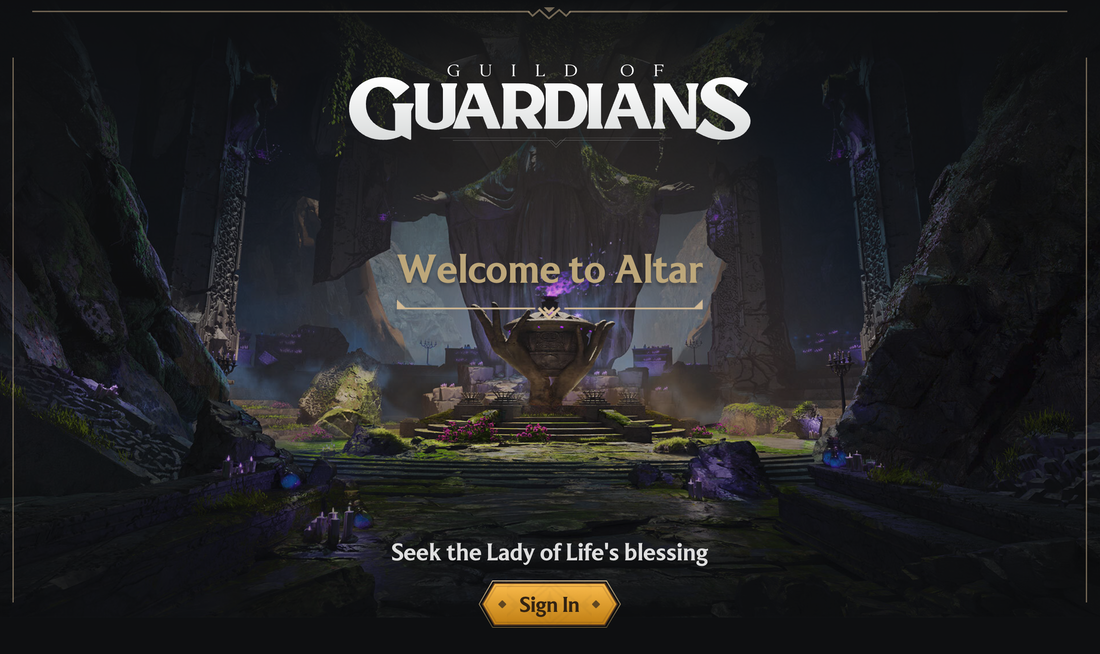
Meanwhile the first store sale was close, and it sold reward tickets with no way yet for players to open them.
Ship for the first sale, then make it feel worth it
I led product and design for the Altar, as part of the wider store and purchase experience. The first job was an MVP that would cover the first sale. After that, the work was iterating on the mechanics that drive excitement and sales, tuning features for experiments, and planning next steps from the results, with an offshore development partner building it.
Make every draw feel safe enough to try
One mechanic, two jobs
The Altar's core idea was simple: something goes in, something comes out. I proposed using the same mechanic to open reward tickets, which got the first sale covered without building a second system.
Read the first sale, then add a guarantee
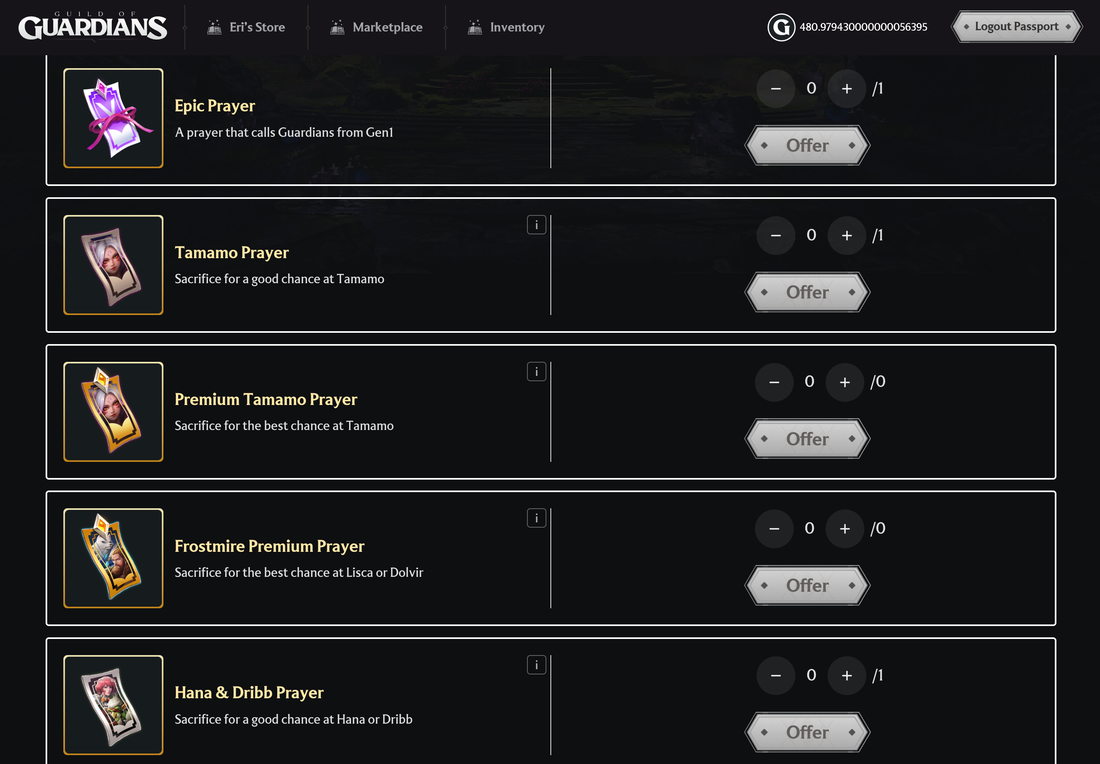
Reward draws usually offer a small chance at a featured prize. That can feel like a gamble, and players who lose a few times in a row stop playing. The first sale's data showed exactly that: low confidence. So the first new feature was a streak-breaker. After a set number of draws, 30 in our first version, a player is guaranteed the prize they're after if it hasn't already dropped. We planned to judge it on engagement before deciding where to go next.
Take the sting out of a miss
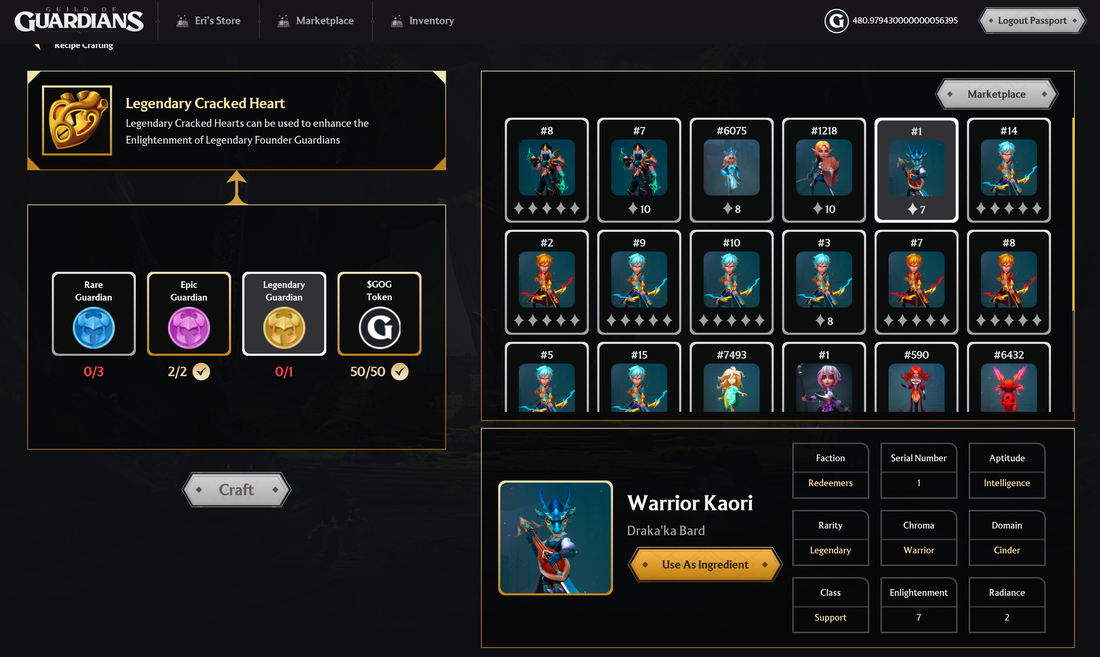
With the streak-breaker working, we added sweeteners: small, unexpected in-game resources with every draw. New recipes let players turn low-value results into something better. No draw felt like a total loss.
Give each job its own door
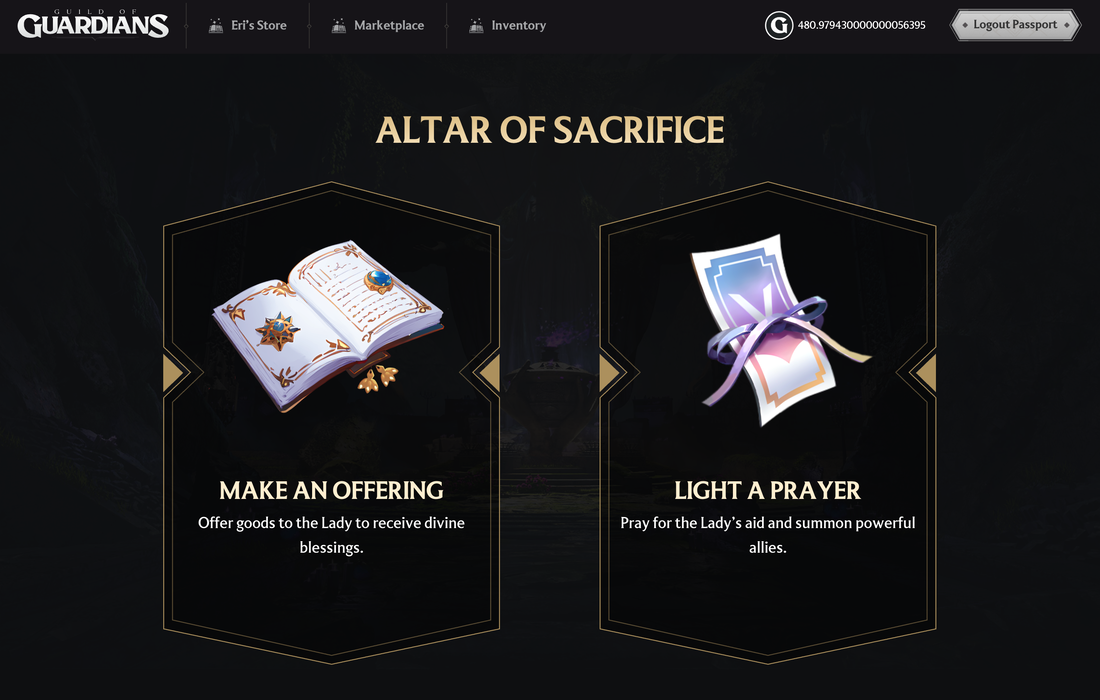
Crafting from recipes and redeeming tickets were both essential, and they served different moments. I split them into two flows from the Altar's first screen, so each could be tuned and optimised on its own.
A guarantee players trusted
- Confidence upamong players: the streak-breaker answered the low confidence the first sale had shown.
- A directionfor what followed: sweeteners and recipes that made each draw feel less like a gamble.