Immutable
As the first product designer at a fast-growing games company, I set up how design and product worked, helped grow and lead a team of twelve designers, and shipped player-facing products across their games and platform.
The role at a glance
- Business
- A Sydney games company, founded in 2018, making their own multiplayer games and a platform that let other studios give players items they truly own and can trade.
- Hired to
- Join a small team as their first product designer. The role grew into product, process and leading the design team, as they saw the strategic and operational value I could add.
- Key wins
- A trading marketplace shipped in six weeks, a company-wide analytics taxonomy, a design team grown to twelve, and a game store that handled all of the game's primary sales revenue and was reused by two other games.
- Moved on
- In 2025, to become the first Head of Product at Vamp.
Games where players own what they earn
Players in multiplayer games have always traded the things they earn. Immutable was founded in 2018 to make those trades safe, using blockchain records so that a card or a character a player owned was really theirs to keep or sell. They made their own games, Gods Unchained and Guild of Guardians, and built a platform so other studios could offer the same, whatever their technical depth.
They grew fast, and were named one of LinkedIn's Top Startups. I joined because I love making games. The technology was a means to an end: what mattered was what players already wanted, and how to give it to them without making them learn anything new.
Bring design and product practice to a team moving fast
I joined a small team as their first product designer. As they saw the strategic and operational value I could offer, my role grew: into product, into the ways of working the team ran on, and then into leading the design team.
Underneath it all, the job was to give the team ways of working that kept them efficient and accountable, so they could prioritise and iterate on the right features while the market shifted under them.
Four stages of one company
Set up the practice
I introduced formal design and product processes during the early startup phase, and managed several products from MVP to live iteration. When Immutable moved their game assets to a faster, cheaper in-house system in 2021, we needed to prove the new system was safe and worth using. I led a lean marketplace where players could manage and trade their items from day one, shipped in six weeks.
Build a platform for other studios
As the platform team grew, I helped decide which features would let any studio offer player-owned items, regardless of their blockchain expertise. I designed a company-wide analytics taxonomy and campaigned for it until every team used it, and built a modular system of UX and UI components so products stayed consistent as they multiplied. I also scoped and designed spec work with business development and engineering to pitch to prospective partner studios.
Grow the design team
While the company was small, I led the UX and UI team across both platform and game. When the platform team grew big enough to work on its own, I moved back to the games studio as senior design manager for all of its designers, across UX, UI, gameplay, creative, narrative and technical design, reporting to the head of studio, whose own background was in design. The team grew to twelve. I scoped, hired and moved people as projects changed, and mentored everyone from entry-level designers to first-time managers. I worked across studio, platform services and partner studios to shape priorities and roadmaps, and directed external development teams on new content and features.
Experiment where players are
In the final phase I worked as product manager and design lead on Guild of Guardians, exploring where we could experiment, measure and iterate to grow the game's audience and engagement. With marketing and community, I developed lean, novel experiences that brought players into the game and its story, and prioritised growth features by funnels and projected return.
The work, in detail
-
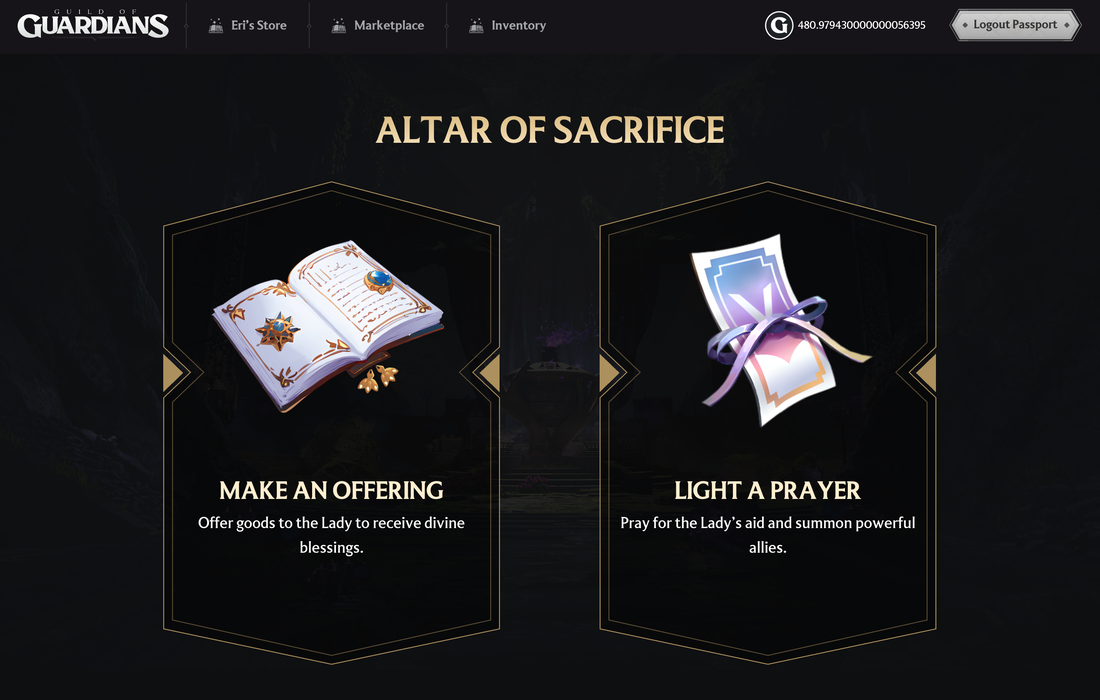 Altar of Sacrifice
Turning a risky reward draw into a moment players trusted, with a guarantee that lifted confidence after the first sale.
-
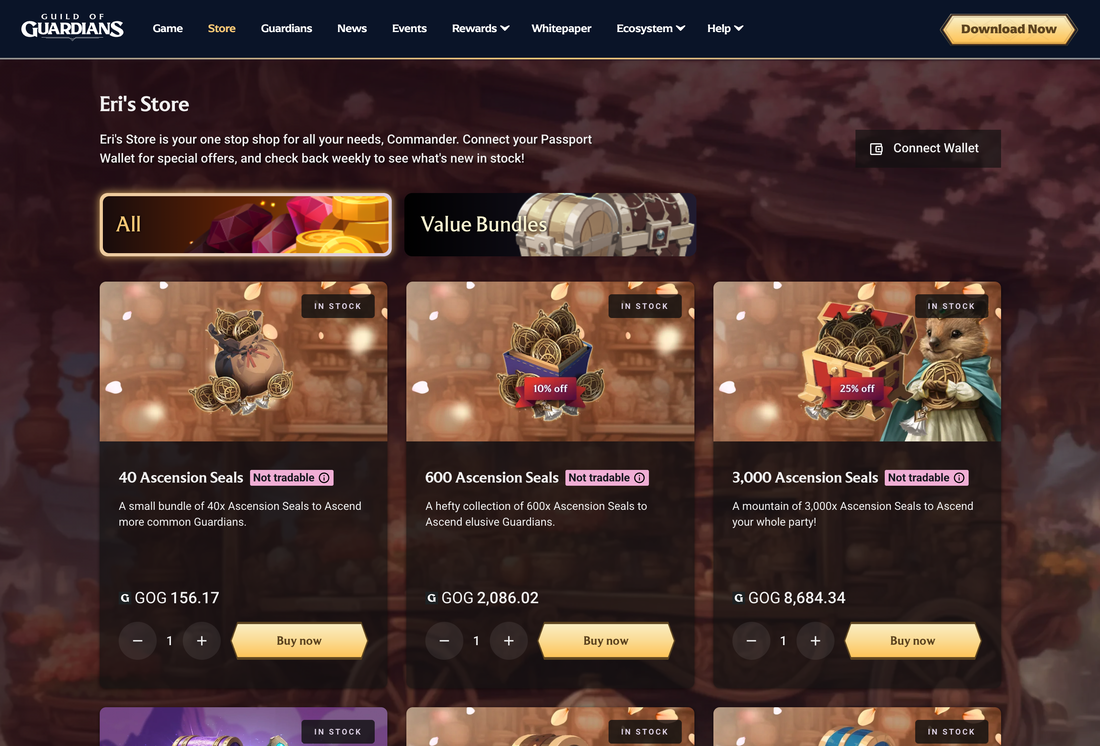 Eri's Store
A game store assembled from proven parts on a short runway. It handled all of the game's primary sales revenue and became the base for two more games' stores.
-
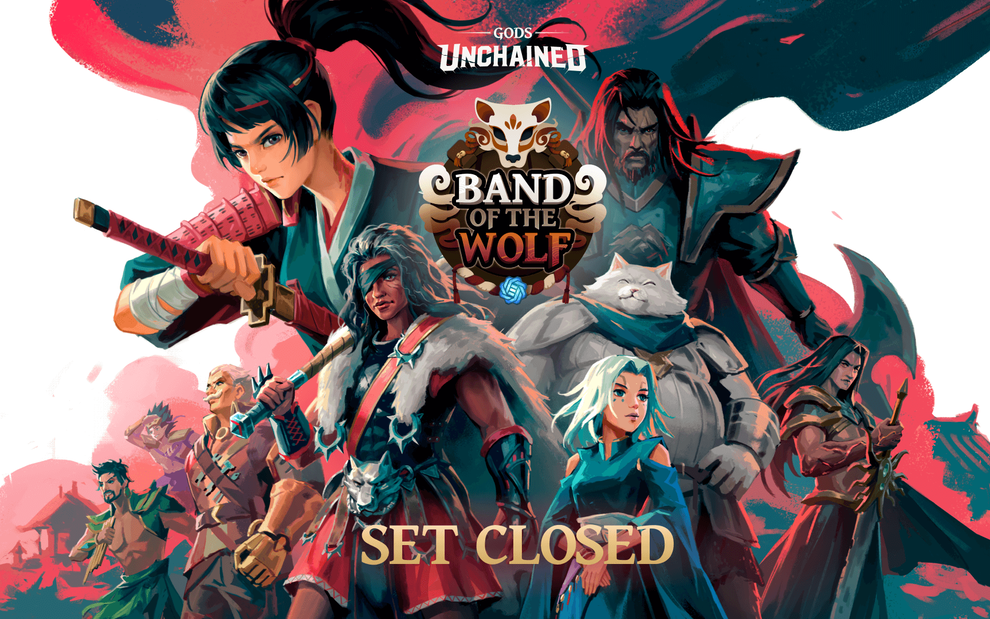 Band of the Wolf
An alternate reality game on a small budget that made the set the best seller since launch.
-
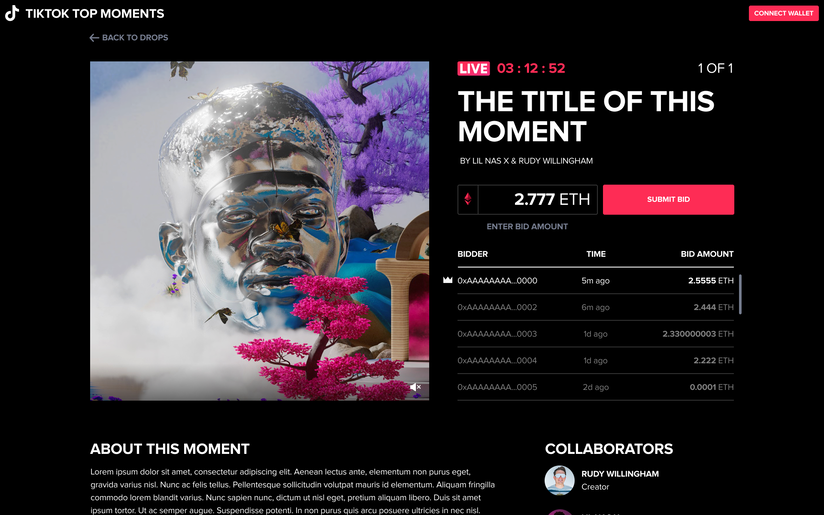 TikTok Top Moments
Helping TikTok work out what their creators' collectibles should and shouldn't promise, and building auctions fast.
-
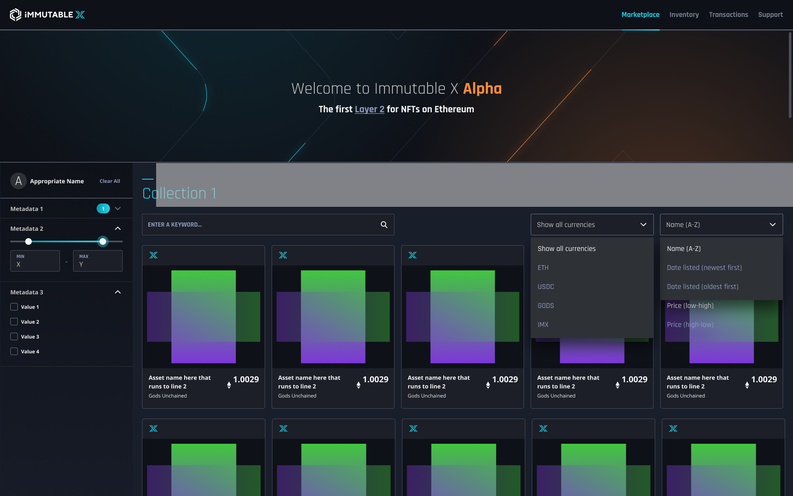 Immutable X Marketplace
A lean marketplace shipped in six weeks, so players could keep trading from day one of a new platform.
Five and a half years, four companies' worth
I stayed through startup, rapid growth and a market that rose and fell around us. By 2025 the business had contracted sharply, many of the people I'd built the team with had moved on, and the market for blockchain games had cooled. I wanted to explore new opportunities and try new things, and left to lead product at Vamp.
What I took with me:
- New technology earns its place only when it serves something players already want. Hype fades; their reasons for playing don't.
- Process is a design problem. The analytics taxonomy mattered because every team could use it, not because it was complete.
- A design team grows best when people can move between projects and keep learning, rather than waiting for the next one.