JYLLIAN MARIE THIBODEAU, UX SPECIALIST
  • Home
  • About Me
  • CV
  • Projects
    • Immutable >
      • Eri's Store
      • Altar of Sacrifice
    • Hireup >
      • Expediting Onboarding
      • Automating Documentation
      • Project Dossier
    • Medical Director >
      • 2021: A GP Odyssey
      • Patient Timelines
      • Self-building Care Plans
      • Proactive Drug Warnings
    • UX Consultancy
    • Fantasia: Music Evolved
    • Unreleased Kinect Project
    • Dance Central Series >
      • Dance Central 3 (2012)
      • Dance Central 2 (2011)
      • Dance Central (2010)
    • Rock Band Series >
      • Rock Band Blitz (2012)
      • Rock Band 3 (2010)
      • Beatles Rock Band (2009)
      • Lego Rock Band (2009)
      • Unplugged (2009)
      • Rock Band 2 (2008)
      • Rock Band (2007)
    • VidRhythm
  • Home
  • About Me
  • CV
  • Projects
    • Immutable >
      • Eri's Store
      • Altar of Sacrifice
    • Hireup >
      • Expediting Onboarding
      • Automating Documentation
      • Project Dossier
    • Medical Director >
      • 2021: A GP Odyssey
      • Patient Timelines
      • Self-building Care Plans
      • Proactive Drug Warnings
    • UX Consultancy
    • Fantasia: Music Evolved
    • Unreleased Kinect Project
    • Dance Central Series >
      • Dance Central 3 (2012)
      • Dance Central 2 (2011)
      • Dance Central (2010)
    • Rock Band Series >
      • Rock Band Blitz (2012)
      • Rock Band 3 (2010)
      • Beatles Rock Band (2009)
      • Lego Rock Band (2009)
      • Unplugged (2009)
      • Rock Band 2 (2008)
      • Rock Band (2007)
    • VidRhythm
Picture
Release: 2010
Platform: Xbox 360 & Kinect
Studio: Harmonix
Publisher: Microsoft, MTV Games
dancecentral.com

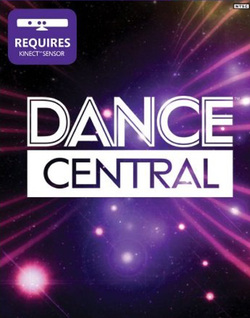
One of the first titles for the Xbox Kinect, Dance Central's was developed in parallel with Microsoft's new hardware.

This created unique challenges for the design and research departments— our platform defined gameplay, and its capabilities were changing from day to day.  We aimed to create something that would make the most of Kinect's abilities and not struggle with its restrictions.  A tight loop of feedback between departments allowed us to keep close tabs on what was working and what needed to be refined.

Heading toward alpha, we realized that our algorithmic motion detection system was just not working— it was too hard to ace a routine, even for the choreographers who had designed it.  The system assumed a dance move consisted of a specific shape, made at a precise time.  This left little room for variation in body language, rhythmic expression, and the fundamentals of what makes dancing fun.  In the final weeks the system was scrapped, and replaced with a machine-learning system, created by analyzing dozens of real player performances.


My contributions included...
  • Researching dance classes to understand how people learn various styles and moves.
  • Encouraging developers to interact with the hardware as much as possible.
  • Collaborating with QA to catalog and profile Kinect's performance capabilities.
  • Working with design to craft solutions when gameplay and hardware did not mesh.
 
Typical design questions
  • What kind of dance moves do people enjoy?  Which do they avoid?
  • What's the best way to teach routines?  What is the process of learning, then performing a routine?
  • What can Kinect see?  What feedback can we give Microsoft to help them improve detection?
  • What sort of gameplay will work with, rather than against Kinect's capabilities?
  • How can will players learn and communicate UI controls through gesture?